Is It Safe to Use a Temp Email for Online Shopping?
Online shopping almost always starts the same way: you find a product, add it to your cart, and reach checkout — only to be asked for an email address before you can complete the purchase. If you've gotten used to using a temporary email to avoid spam on newsletters and sign-ups, it's natural to wonder whether the same habit is safe to apply here too.
The honest answer is: it depends on what you're buying and from where. This guide breaks down exactly when a temporary email makes sense for shopping, when it doesn't, and how to protect both your privacy and your purchase either way.
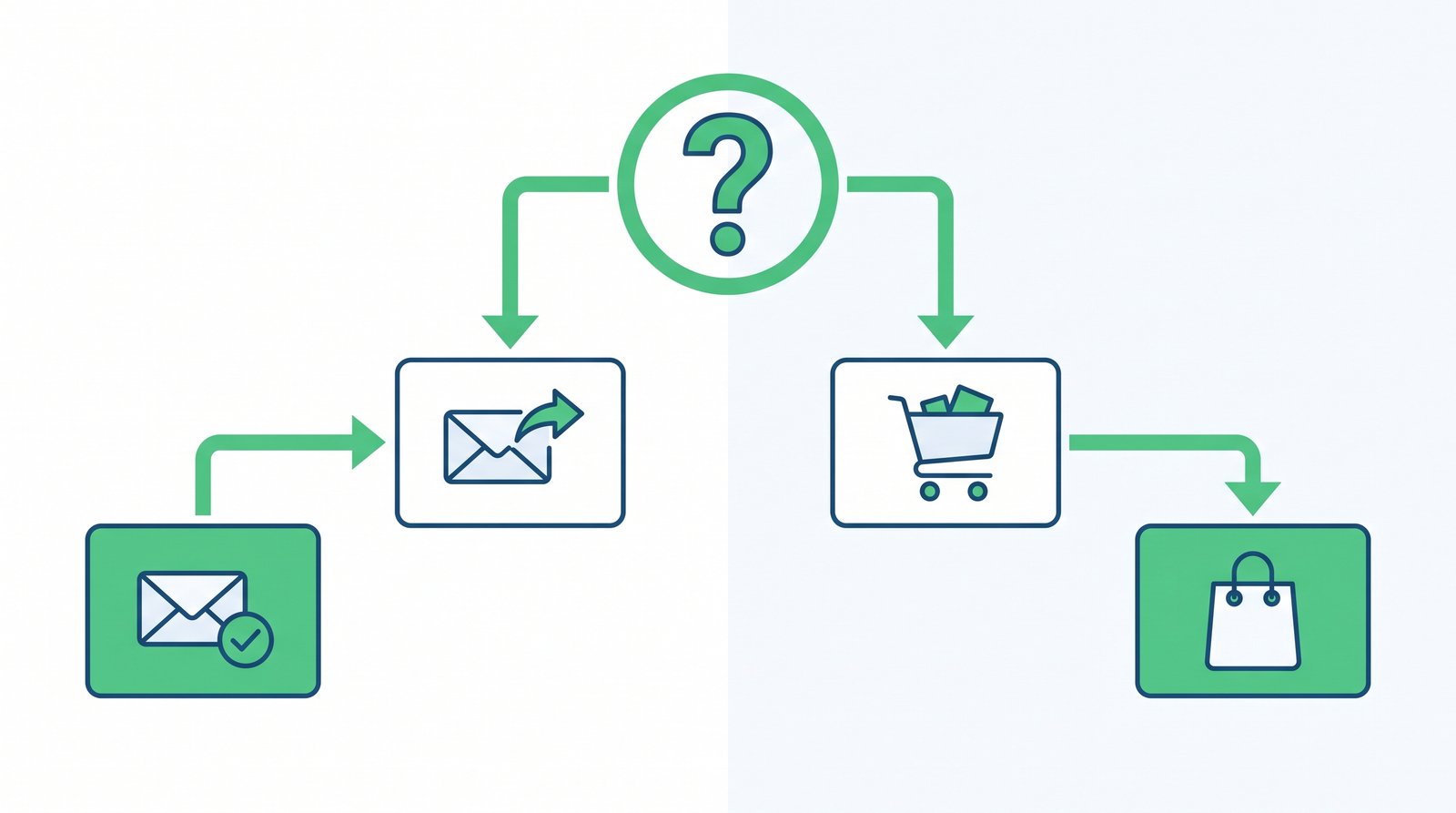
Why People Consider Using a Temp Email for Shopping
Before diving into the risks, it's worth understanding why this idea comes up in the first place:
- Avoiding marketing spam. Many retailers immediately enroll your email in promotional campaigns the moment you check out, even if you never opted in explicitly.
- One-time purchases. If you're buying a single item from a site you'll likely never visit again, you may not want a lasting relationship with that company's marketing list.
- Testing a new or unfamiliar store. If you're unsure whether a smaller or lesser-known retailer is trustworthy, using a disposable address feels like a safer first step.
- Reducing data exposure. Every account you create is another place your email can be exposed if that company experiences a data breach — something Have I Been Pwned tracks across thousands of past incidents.
These are all legitimate concerns. The question is whether a temp email actually solves them without creating new problems.
When a Temp Email Is Genuinely Safe to Use
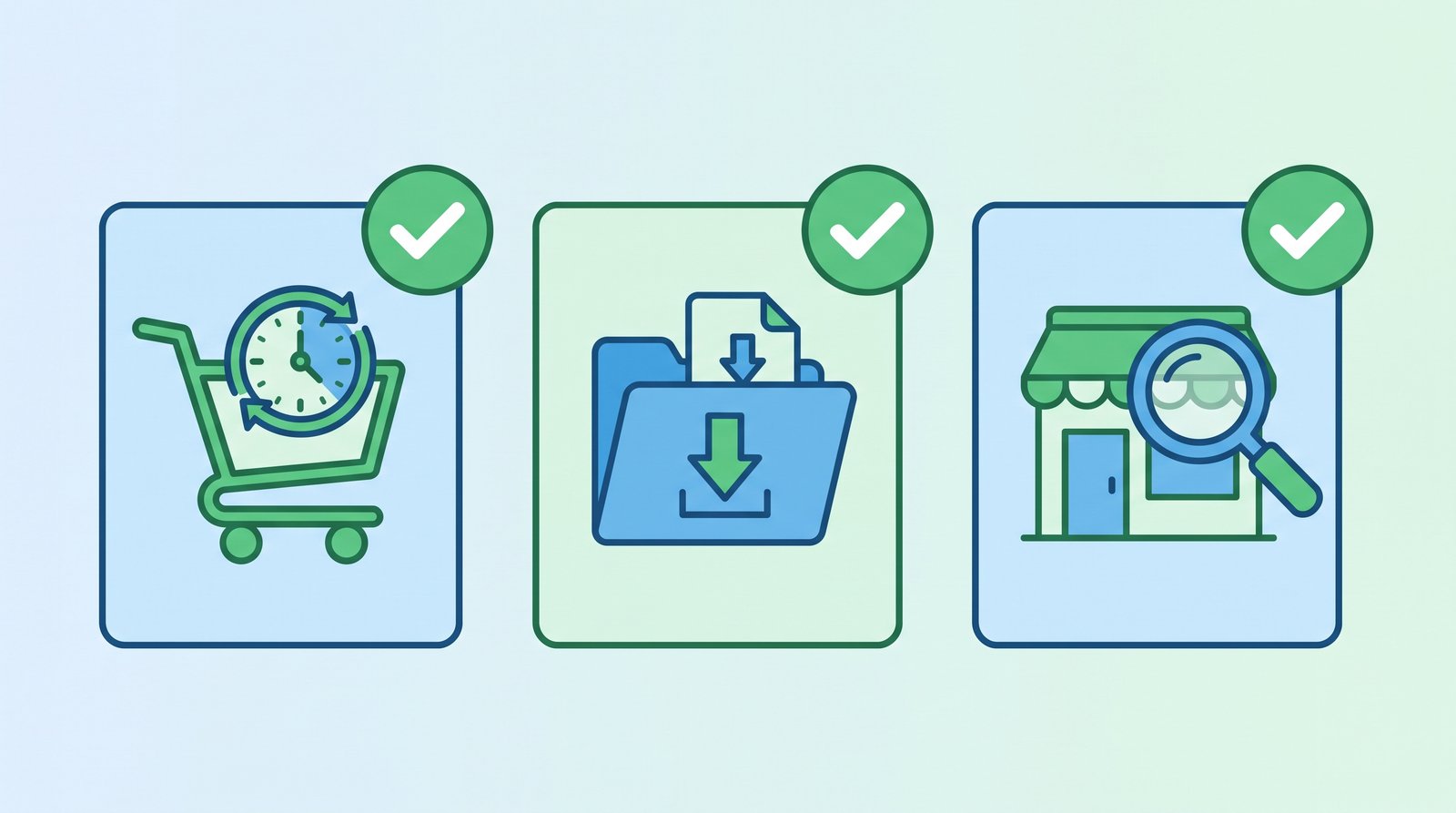
1. Guest checkouts with no account required. If a store lets you complete a purchase without creating an account, and the email is only used to send an order confirmation, a temporary address works well — as long as you can still access that confirmation and any tracking updates before the inbox expires or you delete it.
2. Digital products you download immediately. Ebooks, templates, software licenses, or other digital goods that are delivered instantly don't require a long-lived inbox. Once you've downloaded your purchase and confirmed it works, there's little reason to keep that email channel open.
3. Low-stakes purchases from stores you're testing. If you're trying out a small, unfamiliar shop with a low-cost item to see how reliable they are, a temp email limits your exposure while you evaluate them — before deciding whether to trust them with a permanent address for future orders.
When You Should NOT Use a Temp Email for Shopping
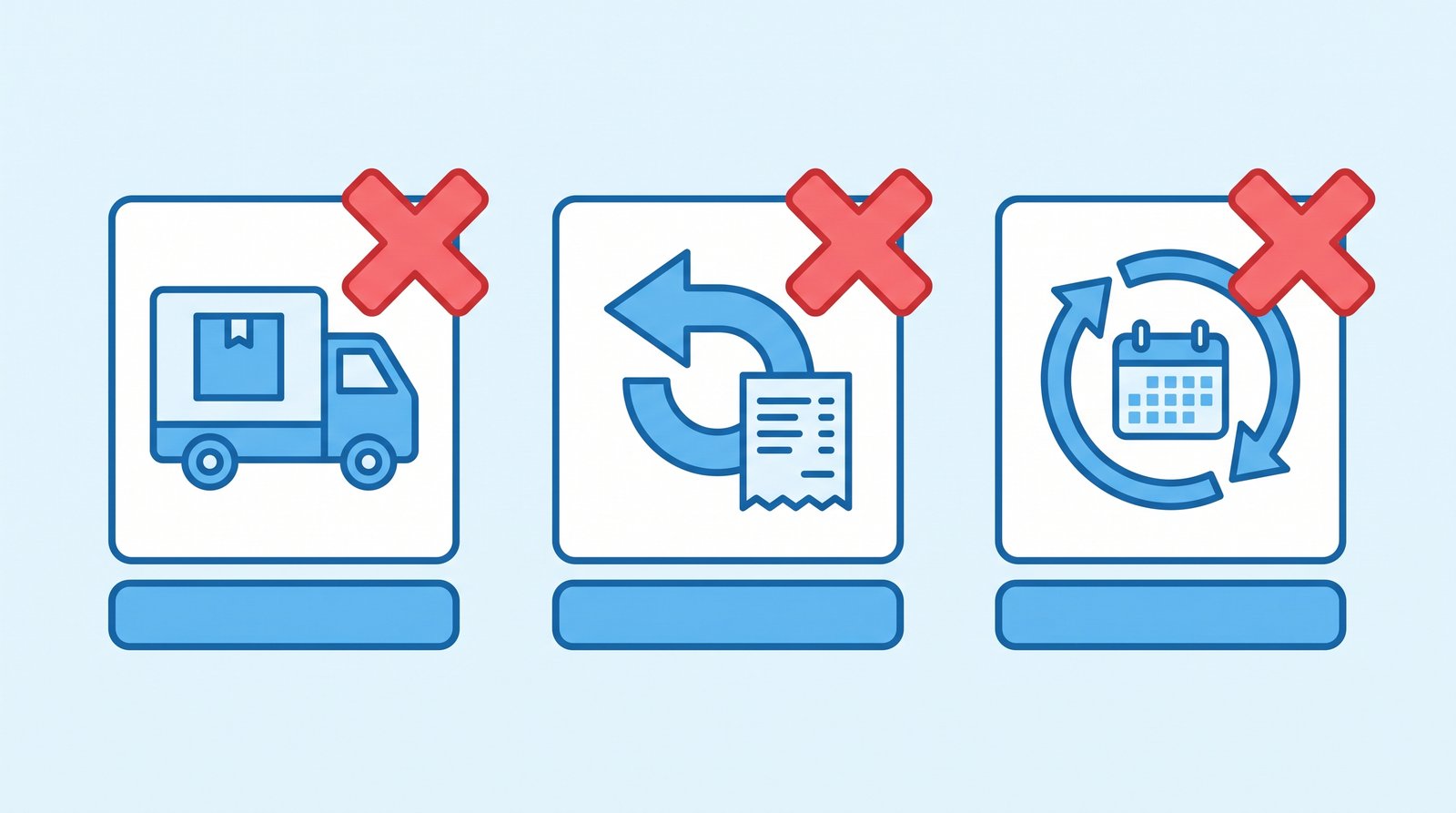
1. Physical products you're actually waiting for. This is the biggest risk. Shipping updates, delivery delays, failed delivery attempts, and customer service communication almost always happen over email — sometimes days or weeks after checkout. If your temporary inbox expires before your package ships, you could miss critical updates or lose the ability to resolve a delivery issue.
2. Purchases that might need a refund, return, or warranty claim. Order confirmations, return authorization numbers, and warranty registrations are frequently sent — and sometimes required — via email. If you can't access that address later, you may lose your ability to prove purchase or process a return.
3. Recurring orders or subscriptions. If you're setting up a subscription box, recurring delivery, or any service that bills you repeatedly, you need a real, permanent email to manage billing issues, cancellations, and account access.
4. High-value purchases. For anything expensive — electronics, furniture, or anything where something could realistically go wrong — the ability to maintain a paper trail and respond to the seller matters more than avoiding a few marketing emails.
A Safer Middle Ground: Email Aliases
If guest checkout isn't available and you still want to limit exposure without risking missed shipping updates, consider an email alias instead of a fully temporary address. Providers like Gmail and Outlook let you create variations of your real email (such as yourname+shopping@gmail.com) that still deliver to your real inbox but can be filtered or identified separately.
This gives you:
- A working, permanent address that receives shipping and support emails reliably
- The ability to track exactly which store is responsible if you start receiving spam
- An easy way to filter promotional emails from that specific alias without losing access to important order updates
For genuinely one-time, no-shipping purchases, though, a temporary email remains the simpler and faster option — no setup required.
How to Decide: A Quick Checklist
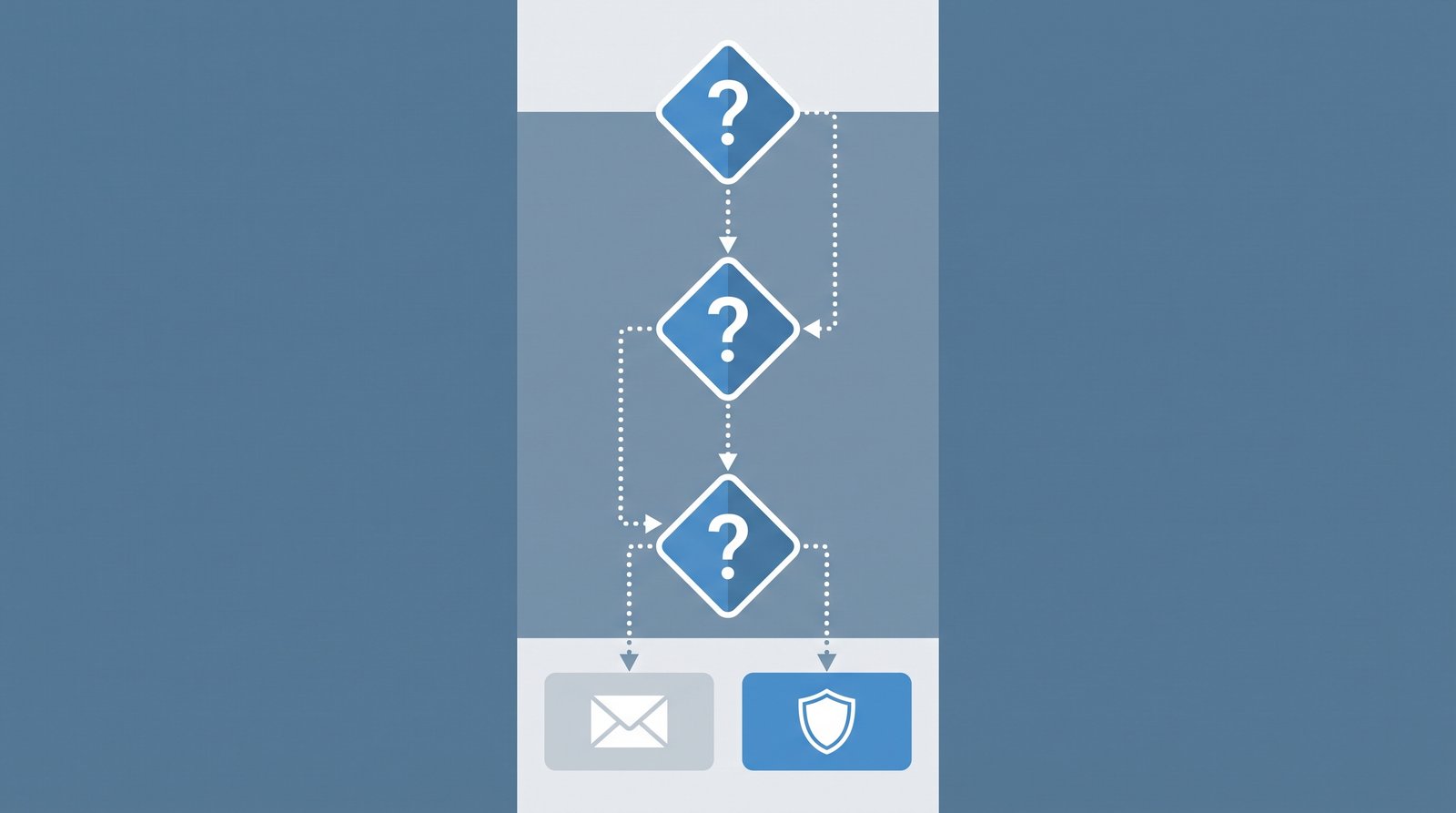
Ask yourself these three questions before checkout:
- Will anything physical be shipped to me? If yes, lean toward a real email or alias.
- Might I need to contact support, request a return, or file a warranty claim later? If yes, same answer.
- Is this a single digital download, or a guest checkout where I don't need to hear from them again? If yes, a temporary email is a safe, practical choice.
Protecting Yourself Either Way
Regardless of which type of email you use, a few habits keep online shopping safer overall:
- Check the site's security before entering any information — look for HTTPS and a legitimate-looking domain.
- Use a dedicated card or virtual card number for unfamiliar stores when your bank offers this option, so a compromised email is far less costly than a compromised payment method.
- Save your order confirmation somewhere outside your inbox (a screenshot or downloaded PDF) if you're using a temporary email, in case you need proof of purchase after the inbox expires.
- Read return policies before buying, not after — this tells you in advance whether you'll need long-term email access.
If you're weighing this decision often, it's worth understanding the broader picture of how disposable addresses fit into your overall privacy habits — our guide on how to stop spam emails forever covers the full strategy beyond just shopping.
(FAQ)
Can I use a temp email for Amazon or major retailers? Technically yes for account creation, but major retailers rely heavily on email for order tracking, delivery issues, and account recovery — a permanent email or alias is strongly recommended for these.
What happens if my temp email expires before my order ships? You could lose access to tracking information, delivery notifications, and the ability to resolve issues with the seller. This is the single biggest risk of using temp email for physical purchases.
Is it safe to use a temp email for coupon codes or discount sign-ups? Yes — this is one of the safest use cases, since you typically only need to receive a single code and won't need ongoing access afterward.
Can a store block orders made with a temporary email? Some retailers do block known disposable email domains, particularly for account creation. Guest checkouts are less likely to check, but it varies by store.
Should I use a temp email for free shipping trial subscriptions? Be cautious — many "free trial" shipping programs auto-renew into paid subscriptions, and you'll need continued email access to manage or cancel them.
A temporary email isn't automatically safe or unsafe for shopping — it depends entirely on what happens after checkout. For instant digital downloads and guest checkouts you won't revisit, it's a smart way to avoid spam. For anything physical, returnable, or recurring, stick with a real address or an alias you can access for as long as the order might need you. When in doubt, Tempya gives you a free temporary inbox to use for the cases where it genuinely makes sense — no risk, no commitment.